The Greatest Kindness
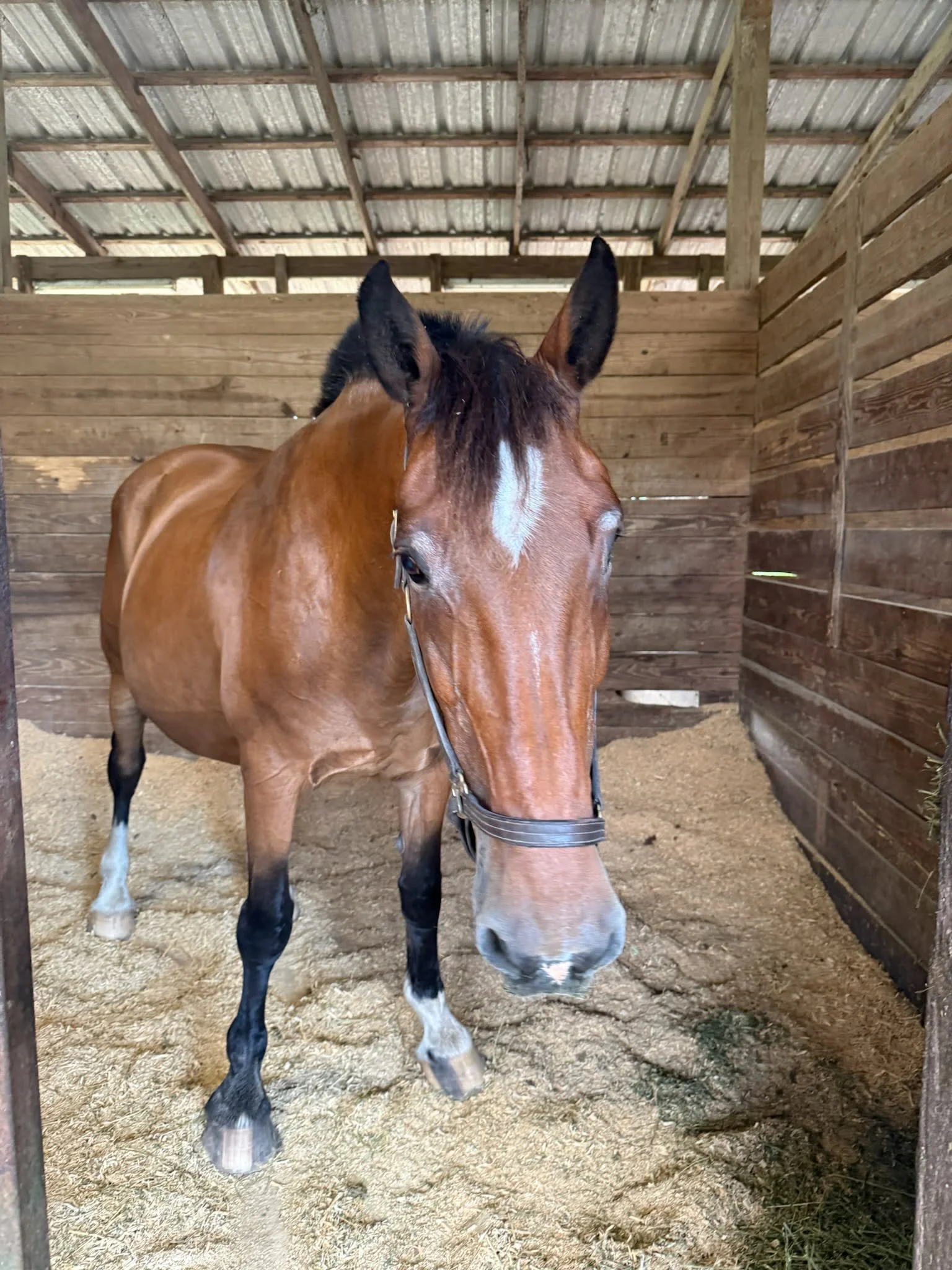
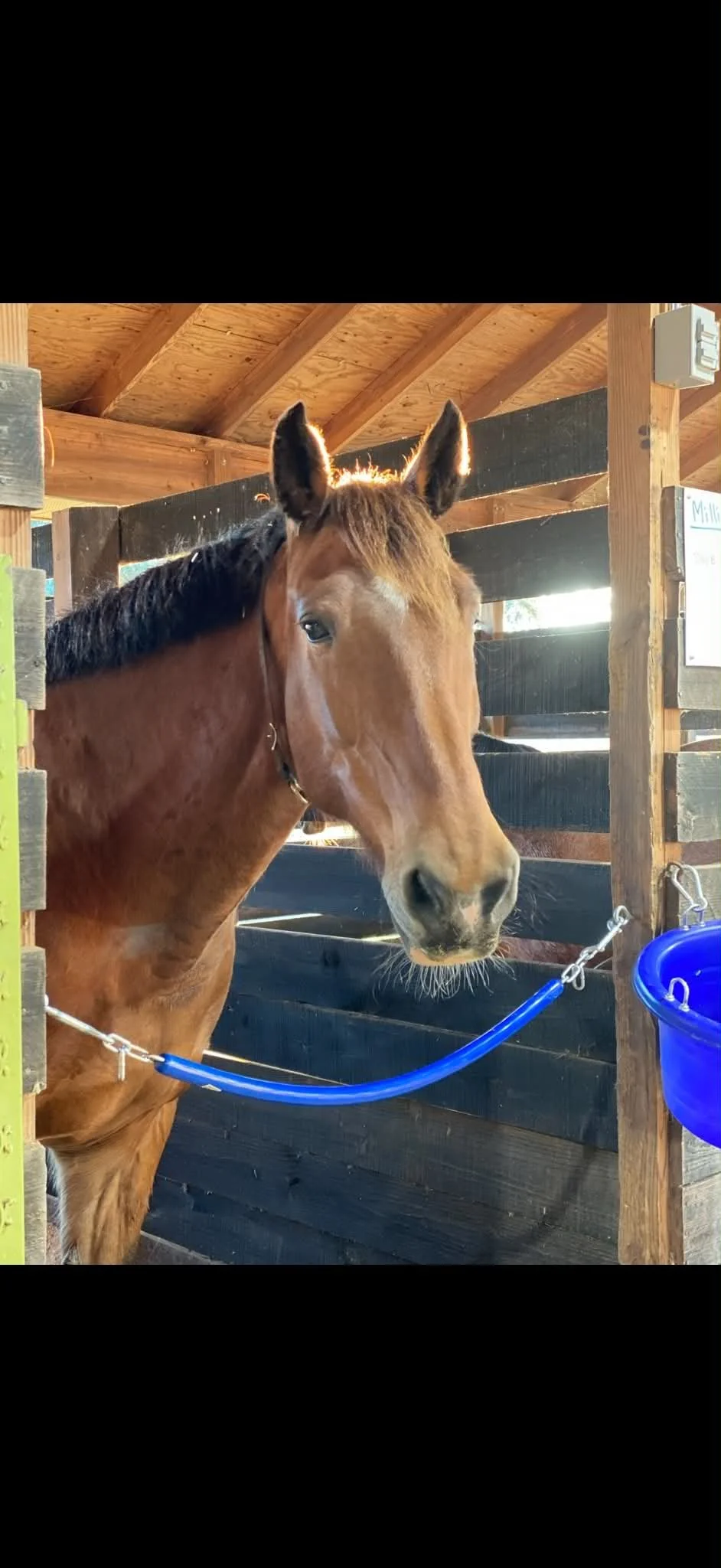
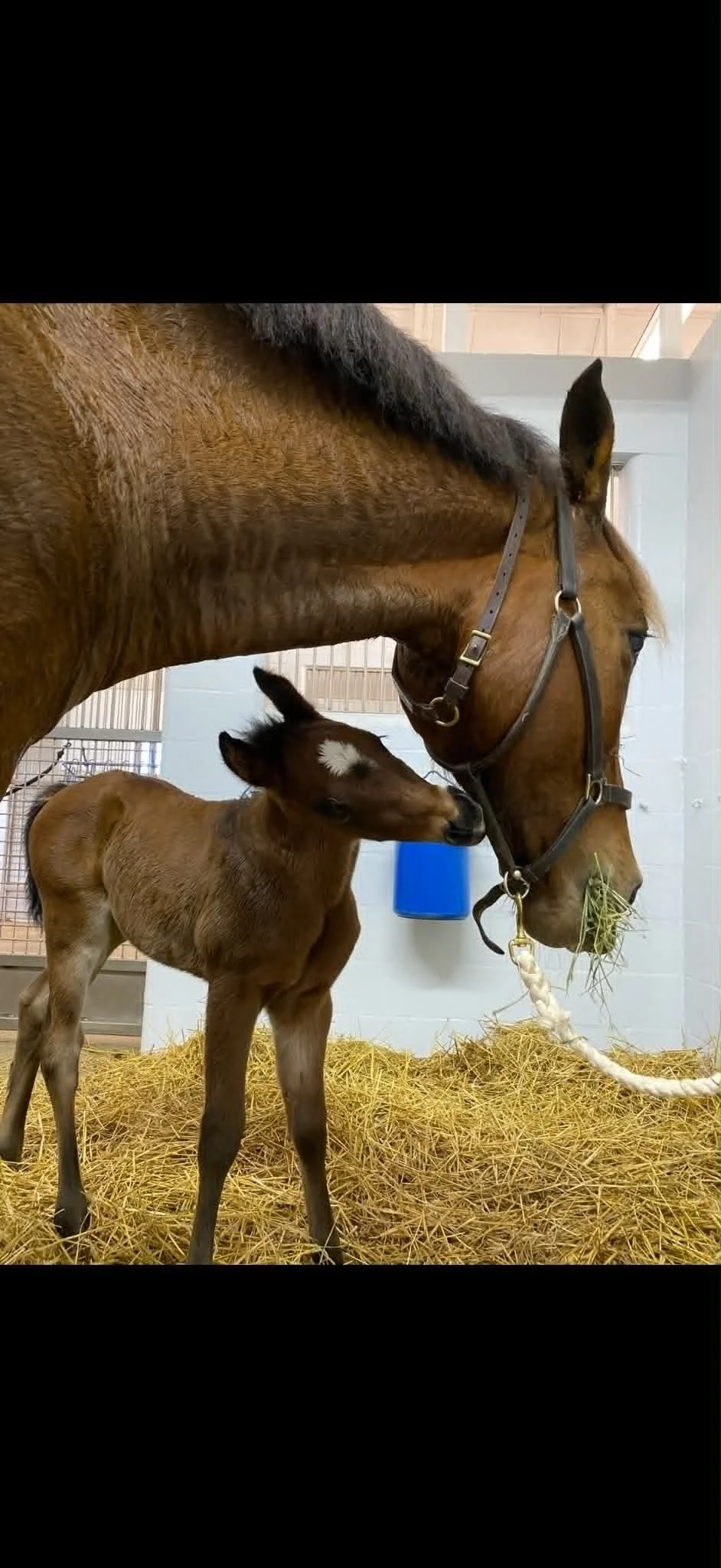
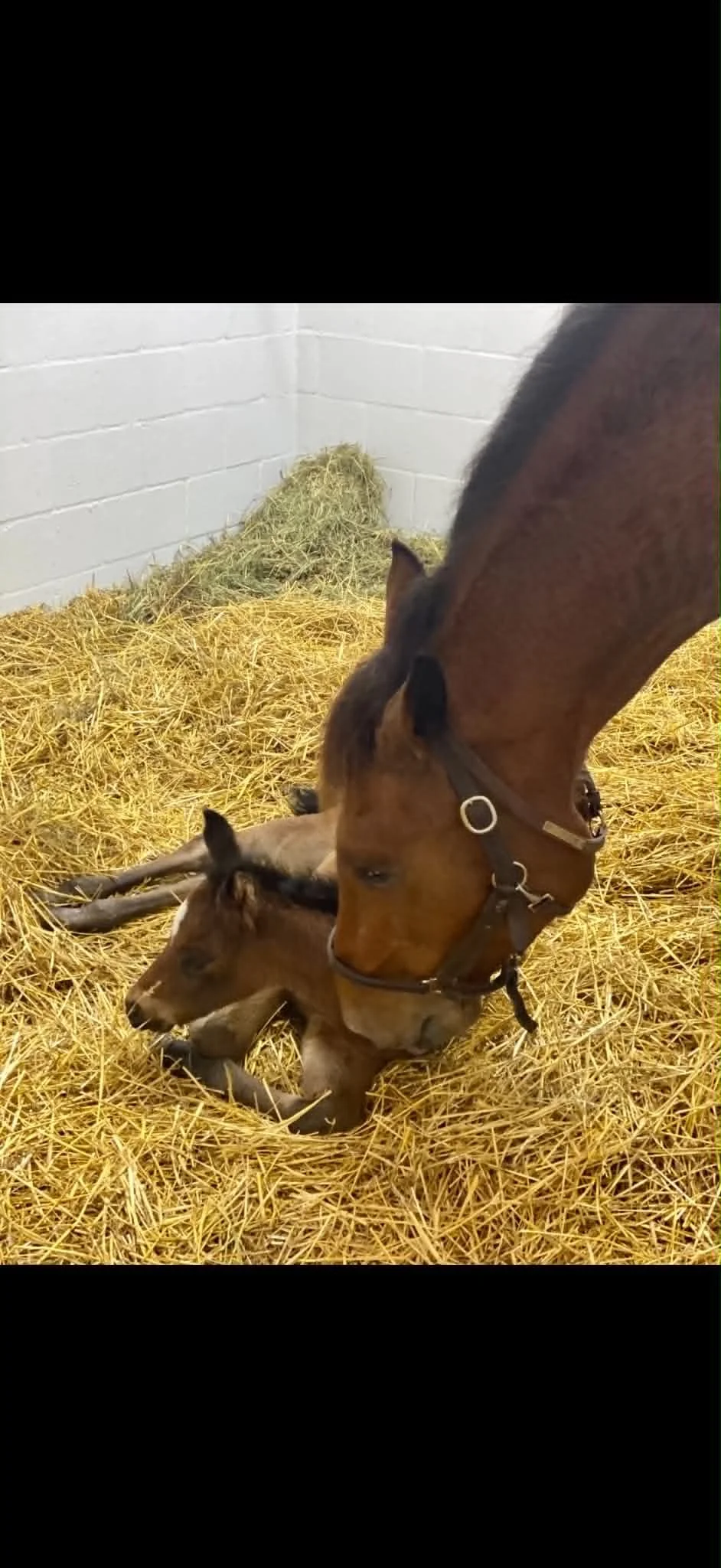
Millie came home early this summer after her foal was humanely euthanized about a month after pairing due to developed sepsis in a joint. Even with intensive neonatal care, the survival rates in these cases are low with data showing that about 50% of survivors acquire some level of permanent osteoarthritis limiting future comfort. In this foal’s case, it had struggled from birth as a severe dummy foal, and his prognosis was bleak. It was clear that euthanasia was the greater kindness for the foal.
Humane euthanasia is unfortunately something many horse owners will have to face at some point in their lifetime. These conversations are more prevalent in cases of critical condition foals (which represent the great majority of the nearly 500 foals we have served since beginning CSM), but also for us with our herd of aged mares. Most of our mares are here for a reason. The reasons our mares enter our program vary, but can be that they can no longer carry a foal, maintenance or injury beyond the budget or capabilities of their donor, or as an alternative to auction just to name a few.
When assessing “the right time” we follow the ASPCA’s End of Life Care guidelines knowing that we are responsible for advocating for our mare’s quality of lives first and foremost. This is done by assessing their pain levels, appetite, hydration, hygiene, mobility, and overall happiness.
What we did not expect was to say goodbye to our sweet Millie so soon. Millie came home from the early loss of her foal only weeks after pairing. This alone is difficult for a mare because she does not have the ability to naturally wean and detach from the foals as nature intended. Each mare who has experienced this reacts differently, but despite being a seasoned mare, Millie took this one particularly difficult. When she arrived home, Millie had visibly lost some weight, which was unusual for her. Shortly thereafter she began displaying signs of mild EPM just hours later. EPM is a debilitating neurological disease which affects the central nervous system which is transmitted due to consumption of opossum feces (usually through water, hay, or their pasture). EPM recovery is different for each horse, but if caught early and treated aggressively, horses with EPM can have fantastic survival rates and even return back to their prior work. Despite her age, she was in great spirits, eating and drinking well, and in excellent condition. So we decided to transition her directly to retirement and give her a shot at recovery. The vet was out the next day.
We immediately reduced possible stress putting her in a quiet, cool, and familiar paddock and began a mixture of medicinal, herbal, and chiropractic work. We assessed her daily on all quality of life on the industry standard scale. While we saw some initial improvement, her neurological conditions not only returned in a matter of only a couple of weeks, but her comfort significantly decreased. We had the vet come out again as soon as her condition shifted and we took a second look together. What we noticed, aside from decreased mobility, comfort, and coordination, was a decrease in her eyesight in her eye. This would normally not be an issue, but sweet Millie only had one remaining eye. We did an ophthalmic exam and found cataracts beginning to develop in her eye limiting her ability to see. That paired with a diminished ability to process her surroundings, balance and coordination issues resulting from a rapidly increasing response to her EPM diagnosis brought humane euthanasia to the front of our minds in our approach to her care, only weeks after her arrival home.
Now, it’s important to note that EPM can be contracted anywhere and was not a neglect or mistake on the lessee, but stress can trigger a flare up. This could have been from the early and abrupt loss of her foal, travel, or many other factors out of our control like weather, age, and compounding conditions.
So we transitioned to continuing to treat her symptoms and scheduled a time to say goodbye on a good day. We believe the greatest kindness you can give any animal in your care is a dignified transition over the rainbow bridge when they are ready. When possible, we hope this is later in life. For Millie, we had the privilege to serve her in many of her later years, living to an impressive age of 27 at the time of her passing, but regardless of the time when possible we want to give them the very best days leading up to their passing. Millie was given everything a horse could dream of. She had opportunities to stand in the breeze of fans, treats, alfalfa, and a good curry (her favorite) and most importantly to experience love. We acted swiftly, so as to not prolong her discomfort and said goodbye to Millie on a beautiful sunny Friday last week. So we honor Millie’s life today for all of the joy and love she brought to so many.
Goodbyes are never easy. There are ALWAYS tears. Our responsibility always remains first to the mares. God bless the nurse mares.